The Visual First Impression
You’ve seen it happen. At every product launch, every “about us” page, and every café counter, the logo is the first to grab attention. Maybe it’s sleek. Maybe it’s suggestive, playful, or cryptic. Logos promise immediate recognition. A well-designed mark can be a shortcut to credibility; it pops up on billboards, social posts, the corner of every carefully crafted package.

But pause for a moment and zoom out. The question is, what really keeps customers returning? What transforms a simple purchase into brand loyalty? The answer, more often than not, is a compelling story.
Why Story Always Wins
A brand story explains who you are, what you value, and why you exist in a crowded world where everyone claims to be “different.” It’s the secret ingredient that shapes every message, campaign, and customer interaction. Stories are sticky. They linger in our minds long after logos have faded to background detail. Neuroscience tells us stories light up the brain, turning mere facts and features, or data, into memorable moments.
Think about the last brand you truly loved. Chances are, you didn’t just memorize its logo. You remember its origin story, its mission, or the quirky founder behind its rise. Apple’s simple fruit-with-a-bite isn’t just great design, it also represents decades of challenging industry giants and placing creativity at the center of everything.
The Tinder Analogy: More Than a Swipe
Don’t get us wrong, the logo gets the initial swipe right. It’s the profile picture, the spark. But the real relationship emerges when the brand’s story delivers personality, quirks, and honesty. Brands that lean solely on their logo often struggle to explain why customers should care beyond a fleeting moment. Even the most symmetrical, color-coordinated symbol can’t answer the fundamental question: “Why you?”
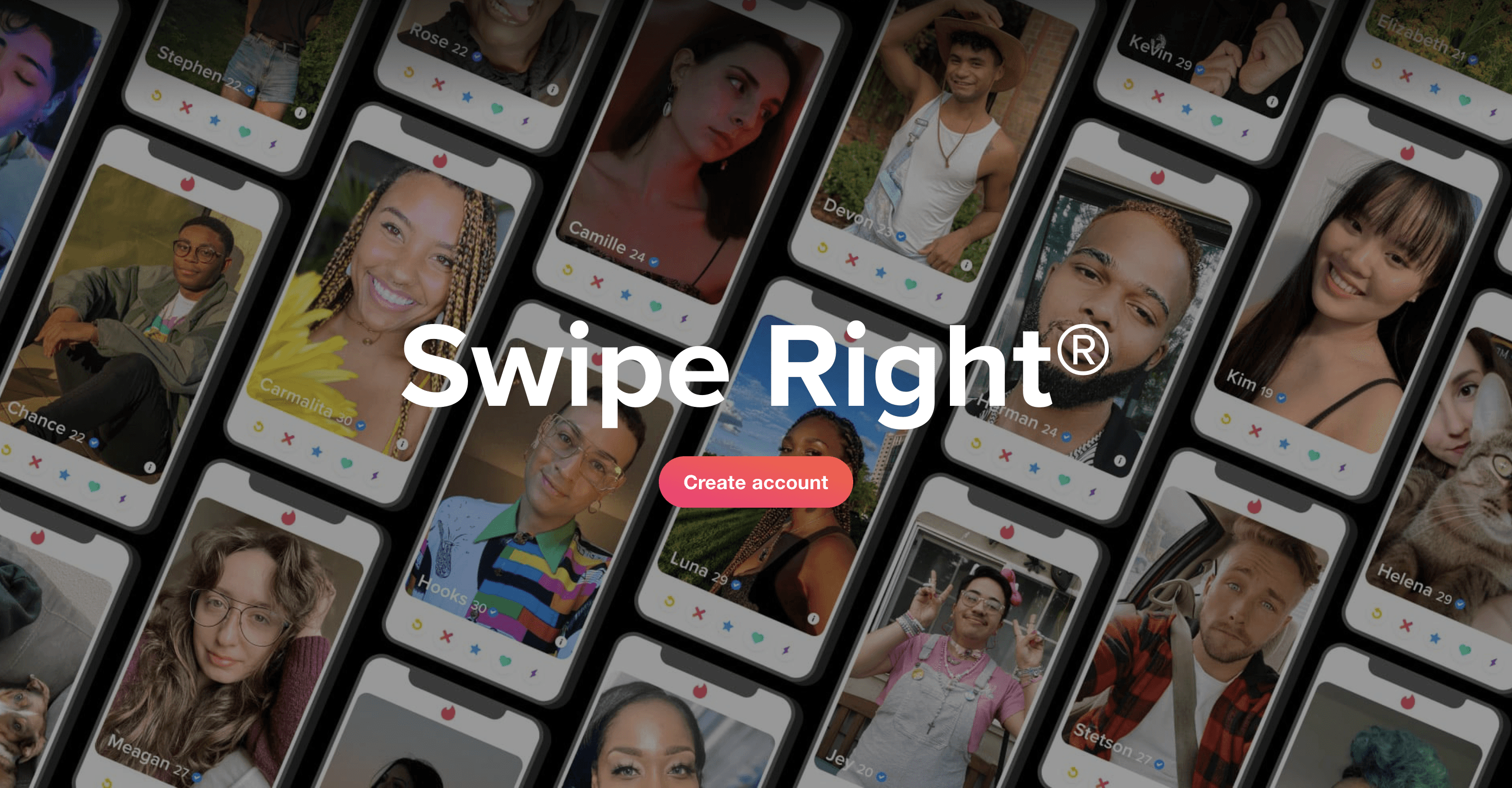
©Tinder website landing page
If branding is dating, logos are the pick-up lines, but story is the heartfelt conversation that keeps people hooked.
Storytelling Builds Trust
Modern audiences crave authenticity. They want to believe a real person or purpose powers the brand they’re buying. That’s where storytelling steps in, sharing the founders’ struggles and wins, reflecting the values of the target community, and giving inside glimpses of the creative process. Stories build emotional resonance, which, in turn, builds trust.
Consider Patagonia’s environmental crusade: their logo is instantly recognizable, but their story about committing to wild places and environmental activism creates advocates, not just customers. When an ideology becomes the product, it garners a long and sustainable synergy with the customer.

©Patagonia website landing page
Logos are emotional magnets, but they can’t rescue a brand facing an identity crisis. When Tropicana swapped out its classic straw-in-orange for a modern look, customers felt disconnected and sales tanked. Familiar symbols alone couldn’t repair the loss of an emotional memory and the narrative behind the morning juice ritual.
Brand Stories Make Believers
People want stories aligned with their aspirations or values. Brands that frame themselves as journey companions, helpers, or underdogs tend to create fan bases that root for them, sometimes even passionately. Apple didn’t just sell computers. IBM was already doing it, and if we may add, much better. Apple instead sold rebellion against the ordinary.

Nike’s “Just Do It” lives alongside stories of athletes overcoming odds, not just fancy sportswear.
How to Build a Story That Sticks
Start with your “why.” Why do you create what you do?
Identify challenges or obstacles you overcame.
Show the people behind the brand with genuine personality and aspirations.
Weave your values into every part of your narrative.
Invite your customers into the journey. Make them heroes, not just buyers.
Humanizing Your Brand
Nobody wants to connect with a faceless corporation boasting a “25% more, lasts twice as long” slogan. Customers are drawn to the human characters behind their brands: the barista who started a coffee revolution, the designer who learned from rejection, the scrappy team that bootstrapped their way from the trunk of their car to a storefront, or from a garage to leading a global tech-revolution. Tell us if we’re wrong, but did those simple setup descriptions not immediately put the founding images of certain brands in your mind? That’s by design! When brands share real stories, customers sense vulnerability and courage, and those feelings breed connection.
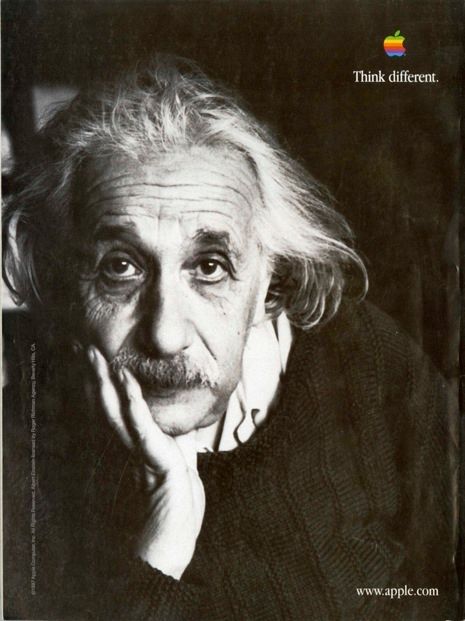
©Apple inc.
The end
Forget the myth that visual design alone will win the crowd. In the modern world, the logo gets the door open, but only the story keeps guests at the party. The brands that thrive are those with memorable stories, told with honesty, humor, and the occasional plot twist.