When referencing becomes the norm, originality becomes survival. AI is the stress test.
When Filming Isn’t Filming Anymore
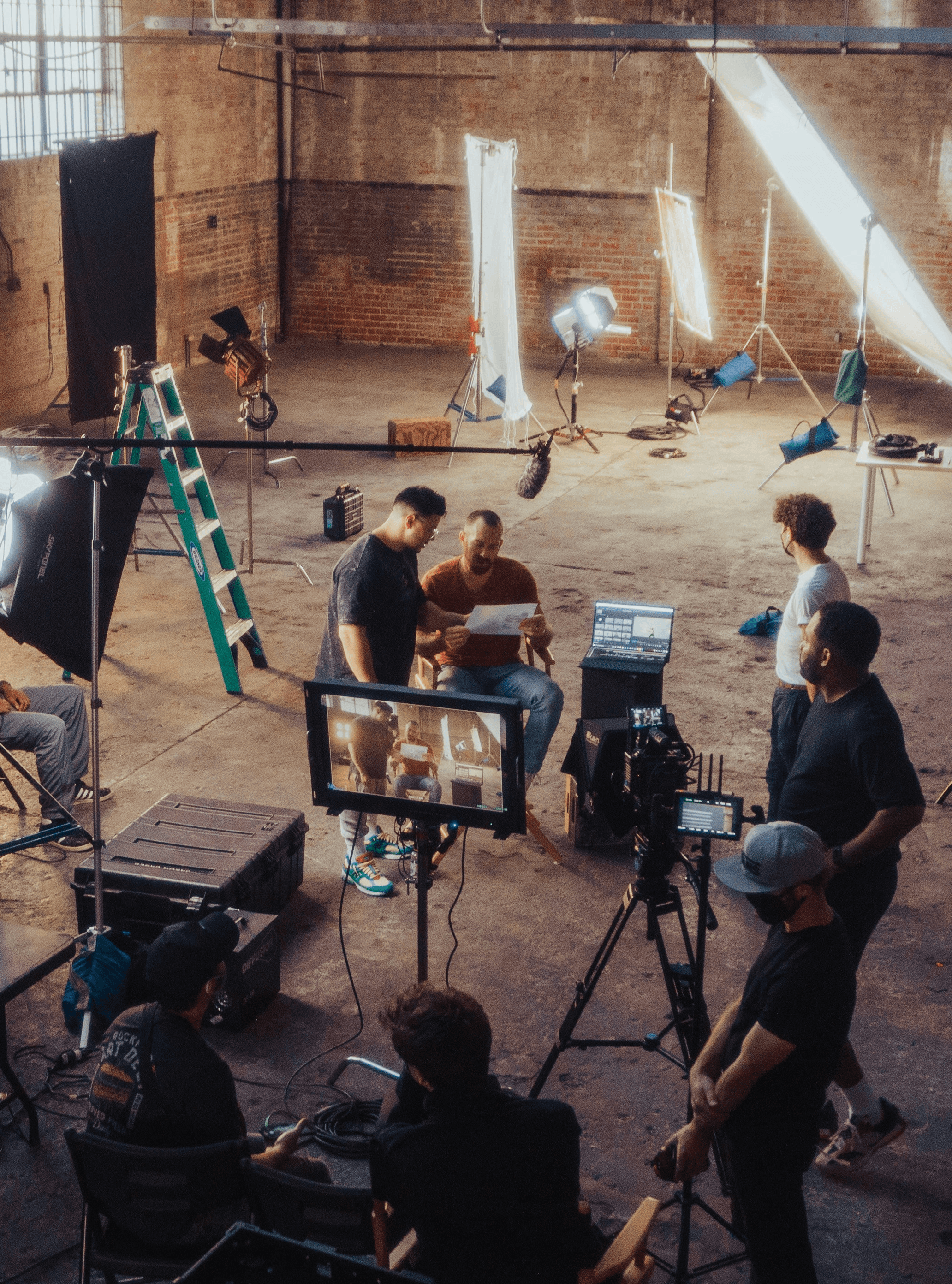
We’ve worked in the advertising industry in Mumbai long enough to know this: most ads don’t start with a blank canvas. They start with references.
“Make it look like this film” or “Give me the mood of that shot” or “This lighting, that framing, this vibe.” It’s an open secret — almost all ad films are built on an archive of what’s already been done.

Now enter Google Veo 3. A tool that can take all those references and spin them into video without ever stepping onto a set. Faster, cheaper, and, in many cases, better than what a mid-level production house can pull off. For a client, this changes everything. Between product and branding, there has never been a better time to allocate funds to further product development and refinement. Especially now, since AI has leveled the playing field. Why spend a fortune on a shoot that’s stitched together from references anyway, when Veo can do the same in days at a fraction of the cost?We’re not saying production is dead. But it is being challenged. Unless you can bring something original — a visual thought that doesn’t live in the sea of references , your relevance is suddenly at risk.
The Ad Industry Will Feel It First
Here’s why advertising, along with commercial photography, is going to feel the impact before cinema does: speed and cost rule this industry. Campaign timelines are brutal, budgets get slashed mid-process, and yet expectations are sky-high. Veo 3 fits this system perfectly. It can give a brand three different campaign films in a week, something that used to take three months.
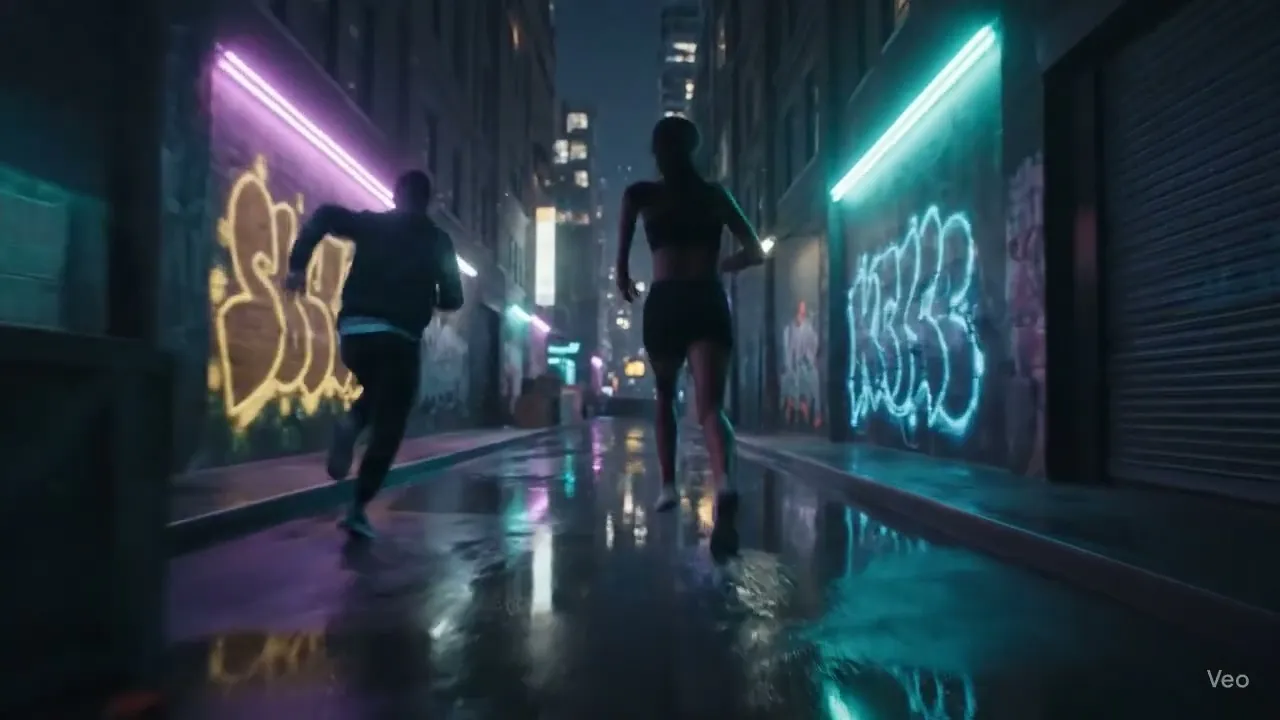
We tried it ourselves to create these Nike and Cadbury clips. No crew. No cameras. Just prompts and iterations. And the result? A video that looks like it could have cost quite a sum to produce with traditional methods. For brands, this is a very real and plausible, and honestly, far cheaper alternative.
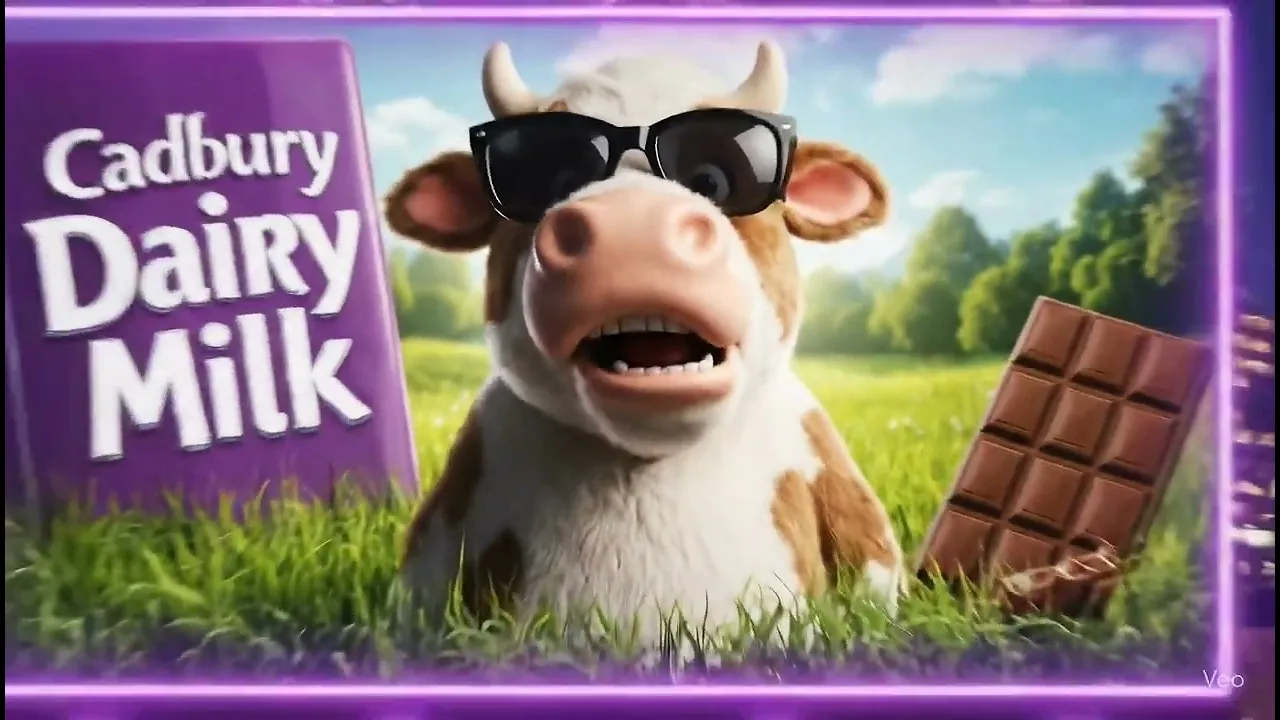
But there’s a catch. If everyone is using the same tool to recycle the same references, the content will start to look and feel the same. Which brings us back to the central truth: originality will matter more than ever. The only work that survives will be the work that cannot be reduced to references and prompts.
And the Films?
Cinema is harder to disrupt. Movies aren’t just about visuals. There’s a lot more at stake, in terms of both the societal evolution and personal expression. They’re about building worlds, capturing human performances, and creating experiences that people share together. Will Veo 3 slip in the way CGI once did, quietly becoming a support tool rather than the main event? It’s easy to imagine it doing just that.
It’s interesting to step back and look at this shift through a wider lens. Changes like this aren’t entirely new. Every new technology has brought its share of uncertainty. When film cameras went digital, there was doubt. When phones started taking high-quality video, anyone with a decent camera could become a filmmaker. Now, AI tools like Veo 3 are taking that idea of self-sufficiency even further. You don’t need actors, editors, or musicians. You can do it all yourself. In a way, it’s democratizing the craft. If there’s ever been a good time to be a jack-of-all-trades, it’s now.
Will these tools one day generate full-length features? That remains to be seen. For now, it feels closer than we think, and the possibilities are already too interesting to ignore.
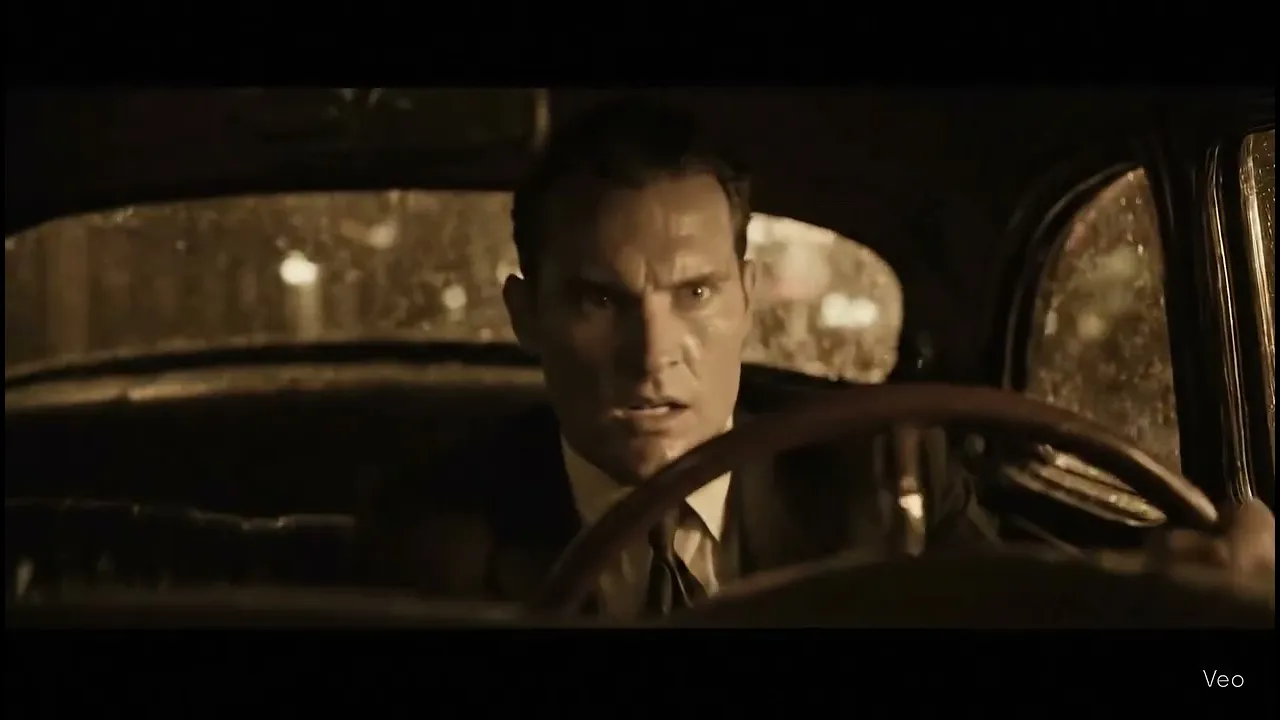
The End
But in advertising, the answer is clear. Veo 3 is already here. Love it or hate it, it is here, and it’s a mirror held up to the industry. If your work is reference-heavy, it will be replaced. If your work is original, it will stand taller than ever.
The future of advertising, then, isn’t about choosing between AI and traditional filmmaking. It’s about deciding on the fundamental approach: whether you want to make something that can be automated — or something that can’t.