
Iconic Design Explainers: BAUHAUS

September 26, 2025

The Beginning of a Design Revolution

In the early 20th century, the world stood on the precipice of modernity. The ornate flourishes and excesses of late Victorian and Art Nouveau styles dominated architecture and design, reflecting a world that was at once decadent and disconnected from the burgeoning industrial age. Into this landscape stepped Bauhaus, a German art school founded in 1919 by Walter Gropius in Weimar, whose influence would ripple across the century and beyond.

Bauhaus soon became a purposeful reimagining of art, craft, and industry, driven by urgent questions about what design should be in a mechanized age. A century later now, its legacy transcends aesthetics, fundamentally shaping modern visual culture and the way we understand the built environment and even brands today.

Bauhaus: A Philosophy of Form and Function

Bauhaus’s central credo was elegantly simple yet radically transformative: “form follows function.” This principle was a reaction against the decorative art styles which dominated the 19th century, which Bauhaus practitioners saw as unnecessary embellishment detached from usefulness.

Walter Gropius believed that design should be democratic. It should be accessible to all rather than reserved for the wealthy elite. He envisioned uniting fine art, craftsmanship, and industrial production to create objects and environments that were both beautiful and functional. This meant stripping away ornamentation and focusing on geometric purity, clean lines, and practical materials.

The schools’ workshops taught not only art and design but also embraced emerging technologies and materials like steel tubing and glass, which they integrated into their creations with careful attention to both purpose and aesthetics.

© Encyclopedia Design. Bauhaus Staircase poster, Weimar 1923, Bauhaus Exhibition print

Key Figures and Contributions

Bauhaus was a collective effort defined by its faculty and students, many of whom became giants in their respective fields.


©Angela Garvin Interior Alchemy

  • Marcel Breuer’s Wassily Chair epitomizes Bauhaus design: tubular steel frames and canvas seats merging industrial materials with minimalist elegance.
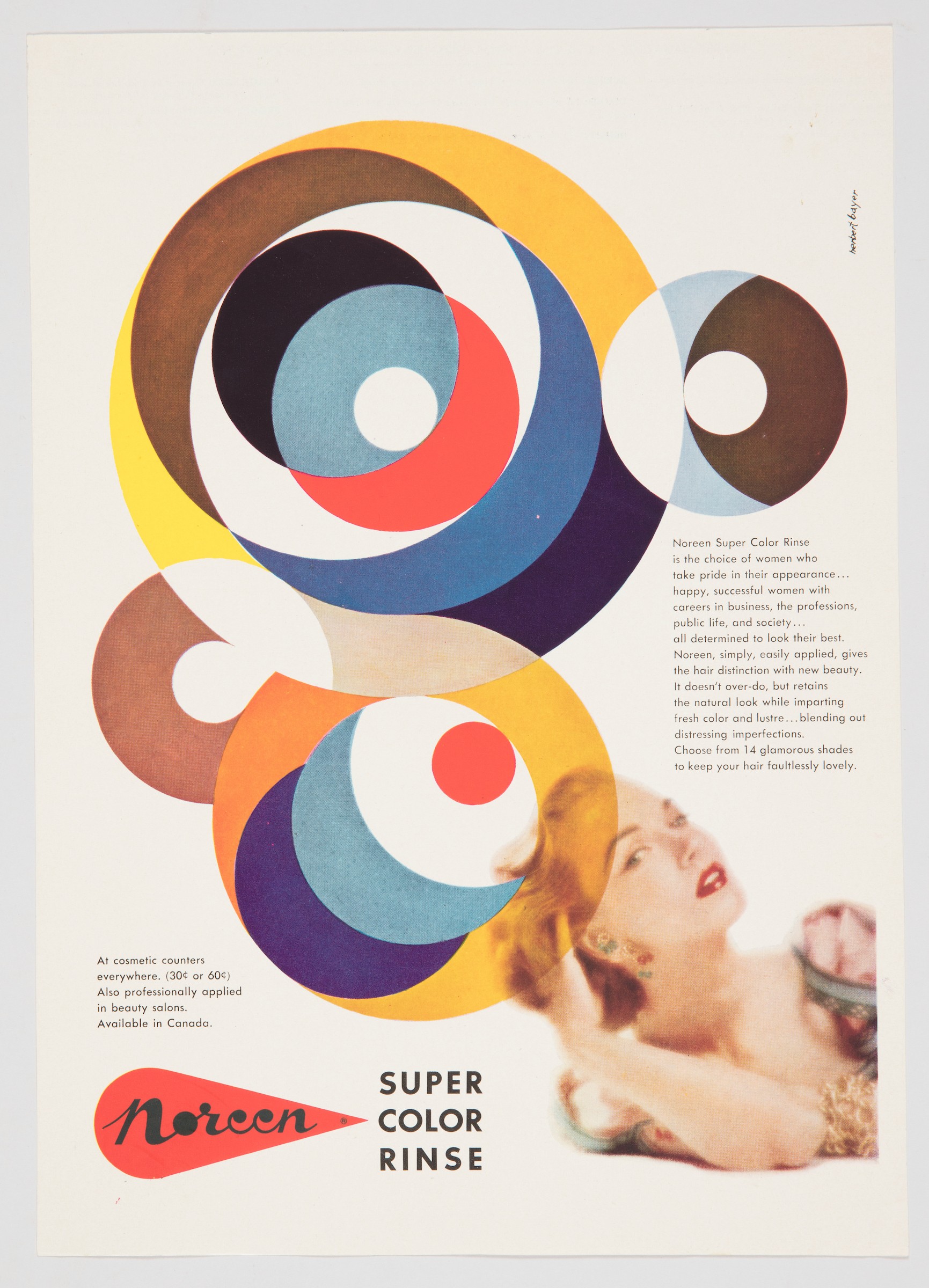
©Print, Noreen Super Color Rinse, ca. 1953; Designed by Herbert Bayer; Offset lithograph; Collection of Cooper Hewitt, Smithsonian Design Museum

  • Herbert Bayer, a leading graphic artist at the school, developed pioneering typography that eliminated unnecessary complexity, favoring clean, sans-serif typefaces that remain influential in digital design today.

©20th century architecture

  • The architecture of Bauhaus buildings, including the Dessau school building designed by Gropius himself, emphasized large glass curtain walls, open floor plans, and harmony between form and function.

These achievements were not isolated acts of creativity but part of a larger social project that sought to rebuild a fractured society after World War I through design innovation.

The Broader Social and Cultural Context

Bauhaus emerged during a period of intense social and political upheaval in Germany and Europe. The aftermath of the war and the democratization of society created a fertile ground for new ideas about art and design as instruments of social change.

The school was interdisciplinary, breaking down the traditional hierarchy between fine arts and crafts. It welcomed painters, weavers, architects, and industrial designers under one roof, encouraging collaboration and innovation.

This inclusive and pragmatic ethos distinguished Bauhaus from other art movements. Its aims were explicitly utopian, aspiring to improve everyday life through design that embraced modern materials and production methods.

Bauhaus and Its Complex Legacy Under Nazism

Despite its successes and international acclaim, Bauhaus faced fierce opposition as political tides shifted in Germany during the rise of the Nazi regime in the early 1930s. Considered “degenerate” because of its modernism and progressive ideology, the school was shut down in 1933.

However, its closure did not signal the end of Bauhaus’s influence. Many of its faculty fled abroad, especially to the United States, where they took positions at prominent universities like the Illinois Institute of Technology and Harvard. This diaspora spread Bauhaus principles globally, embedding them in the architecture, industrial design, and graphic arts of the mid-20th century.

Bauhaus in Contemporary Design and Branding

Bauhaus’s influence pervades modern design thinking, especially in digital and brand aesthetics.


  • Minimalism and clarity: The preference for simple geometric shapes and sans-serif typography echoes in today’s corporate identities and user interfaces.

  • Modular and functional design: The modern flat-pack furniture industry owes much to Bauhaus’s marriage of craftsmanship and industrial production.

©Daimler

  • The democratization of design: Bauhaus’s commitment to making good design accessible has shaped public architecture and mass-produced consumer goods, reflecting an ongoing relevance in contemporary society.

Many tech brands, including Google and Apple, incorporate Bauhaus principles of functionality and simplicity in their logos, user interfaces, and product designs. The idea that form should not merely be decorative but serve usability remains at the heart of effective design in the digital age.

Critique and Controversy

While admired, Bauhaus has also been critiqued for its sometimes rigid adherence to functionalism and the potential coldness of minimalism. Critics argue that the movement’s emphasis on universality risked erasing local and cultural specificities in design.

Indeed, current design discourses often seek to balance Bauhaus clarity with diverse cultural expressions, enriching its foundational ideas to better reflect global perspectives.

The end

This blog is merely scratching the surface of something way too vast in terms of its impact, and the continued relevance. Nearly a century after its founding, Bauhaus remains a lodestar for those who design our physical and digital worlds. Its commitment to marrying beauty with function, its social vision of accessible design, and its profound influence on modern aesthetics are testaments to its foundational role in shaping contemporary culture.


The Beginning of a Design Revolution

In the early 20th century, the world stood on the precipice of modernity. The ornate flourishes and excesses of late Victorian and Art Nouveau styles dominated architecture and design, reflecting a world that was at once decadent and disconnected from the burgeoning industrial age. Into this landscape stepped Bauhaus, a German art school founded in 1919 by Walter Gropius in Weimar, whose influence would ripple across the century and beyond.

Bauhaus soon became a purposeful reimagining of art, craft, and industry, driven by urgent questions about what design should be in a mechanized age. A century later now, its legacy transcends aesthetics, fundamentally shaping modern visual culture and the way we understand the built environment and even brands today.

Bauhaus: A Philosophy of Form and Function

Bauhaus’s central credo was elegantly simple yet radically transformative: “form follows function.” This principle was a reaction against the decorative art styles which dominated the 19th century, which Bauhaus practitioners saw as unnecessary embellishment detached from usefulness.

Walter Gropius believed that design should be democratic. It should be accessible to all rather than reserved for the wealthy elite. He envisioned uniting fine art, craftsmanship, and industrial production to create objects and environments that were both beautiful and functional. This meant stripping away ornamentation and focusing on geometric purity, clean lines, and practical materials.

The schools’ workshops taught not only art and design but also embraced emerging technologies and materials like steel tubing and glass, which they integrated into their creations with careful attention to both purpose and aesthetics.

© Encyclopedia Design. Bauhaus Staircase poster, Weimar 1923, Bauhaus Exhibition print

Key Figures and Contributions

Bauhaus was a collective effort defined by its faculty and students, many of whom became giants in their respective fields.


©Angela Garvin Interior Alchemy

  • Marcel Breuer’s Wassily Chair epitomizes Bauhaus design: tubular steel frames and canvas seats merging industrial materials with minimalist elegance.

©Print, Noreen Super Color Rinse, ca. 1953; Designed by Herbert Bayer; Offset lithograph; Collection of Cooper Hewitt, Smithsonian Design Museum

  • Herbert Bayer, a leading graphic artist at the school, developed pioneering typography that eliminated unnecessary complexity, favoring clean, sans-serif typefaces that remain influential in digital design today.

©20th century architecture

  • The architecture of Bauhaus buildings, including the Dessau school building designed by Gropius himself, emphasized large glass curtain walls, open floor plans, and harmony between form and function.

These achievements were not isolated acts of creativity but part of a larger social project that sought to rebuild a fractured society after World War I through design innovation.

The Broader Social and Cultural Context

Bauhaus emerged during a period of intense social and political upheaval in Germany and Europe. The aftermath of the war and the democratization of society created a fertile ground for new ideas about art and design as instruments of social change.

The school was interdisciplinary, breaking down the traditional hierarchy between fine arts and crafts. It welcomed painters, weavers, architects, and industrial designers under one roof, encouraging collaboration and innovation.

This inclusive and pragmatic ethos distinguished Bauhaus from other art movements. Its aims were explicitly utopian, aspiring to improve everyday life through design that embraced modern materials and production methods.

Bauhaus and Its Complex Legacy Under Nazism

Despite its successes and international acclaim, Bauhaus faced fierce opposition as political tides shifted in Germany during the rise of the Nazi regime in the early 1930s. Considered “degenerate” because of its modernism and progressive ideology, the school was shut down in 1933.

However, its closure did not signal the end of Bauhaus’s influence. Many of its faculty fled abroad, especially to the United States, where they took positions at prominent universities like the Illinois Institute of Technology and Harvard. This diaspora spread Bauhaus principles globally, embedding them in the architecture, industrial design, and graphic arts of the mid-20th century.

Bauhaus in Contemporary Design and Branding

Bauhaus’s influence pervades modern design thinking, especially in digital and brand aesthetics.


  • Minimalism and clarity: The preference for simple geometric shapes and sans-serif typography echoes in today’s corporate identities and user interfaces.

  • Modular and functional design: The modern flat-pack furniture industry owes much to Bauhaus’s marriage of craftsmanship and industrial production.

©Daimler

  • The democratization of design: Bauhaus’s commitment to making good design accessible has shaped public architecture and mass-produced consumer goods, reflecting an ongoing relevance in contemporary society.

Many tech brands, including Google and Apple, incorporate Bauhaus principles of functionality and simplicity in their logos, user interfaces, and product designs. The idea that form should not merely be decorative but serve usability remains at the heart of effective design in the digital age.

Critique and Controversy

While admired, Bauhaus has also been critiqued for its sometimes rigid adherence to functionalism and the potential coldness of minimalism. Critics argue that the movement’s emphasis on universality risked erasing local and cultural specificities in design.

Indeed, current design discourses often seek to balance Bauhaus clarity with diverse cultural expressions, enriching its foundational ideas to better reflect global perspectives.

The end

This blog is merely scratching the surface of something way too vast in terms of its impact, and the continued relevance. Nearly a century after its founding, Bauhaus remains a lodestar for those who design our physical and digital worlds. Its commitment to marrying beauty with function, its social vision of accessible design, and its profound influence on modern aesthetics are testaments to its foundational role in shaping contemporary culture.

Keep Reading

Why Your Brand’s Story Matters More Than Your Logo

Why Your Brand’s Story Matters More Than Your Logo

Fully maximize the potential of AI in commercial projects

AI and the Future of Ad Films

Fully maximize the potential of AI in commercial projects

AI and the Future of Ad Films

Nostalgia economy

Nostalgia Economy: Why Gen Z & Millennials Obsess Over The Past

Nostalgia economy

Nostalgia Economy: Why Gen Z & Millennials Obsess Over The Past

Spring is coming: Creative strategies come to the rescue

When AI Has Too Much Personality

Spring is coming: Creative strategies come to the rescue

When AI Has Too Much Personality

We handle the story so you can handle the brand.

We handle the story so you can handle the brand.