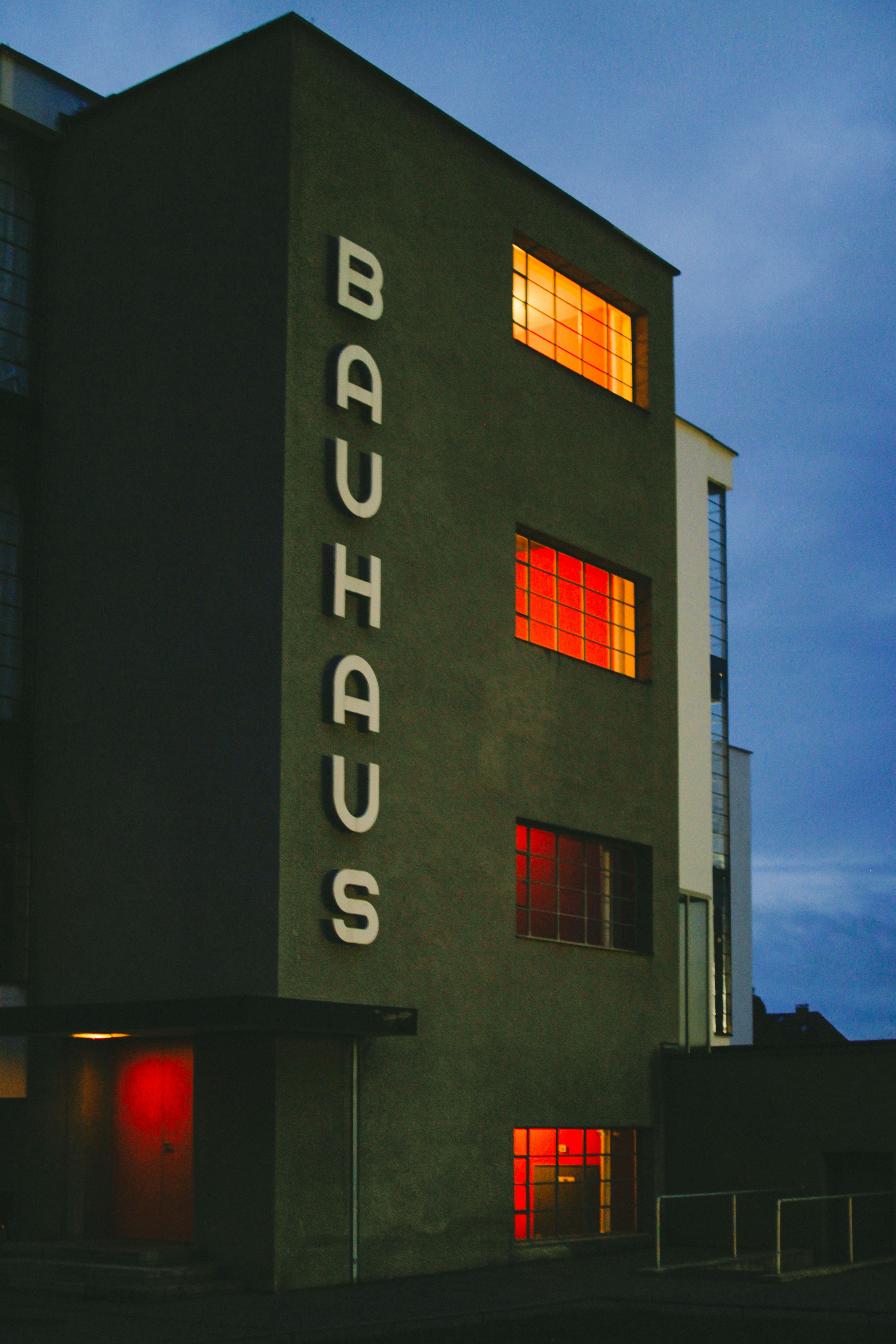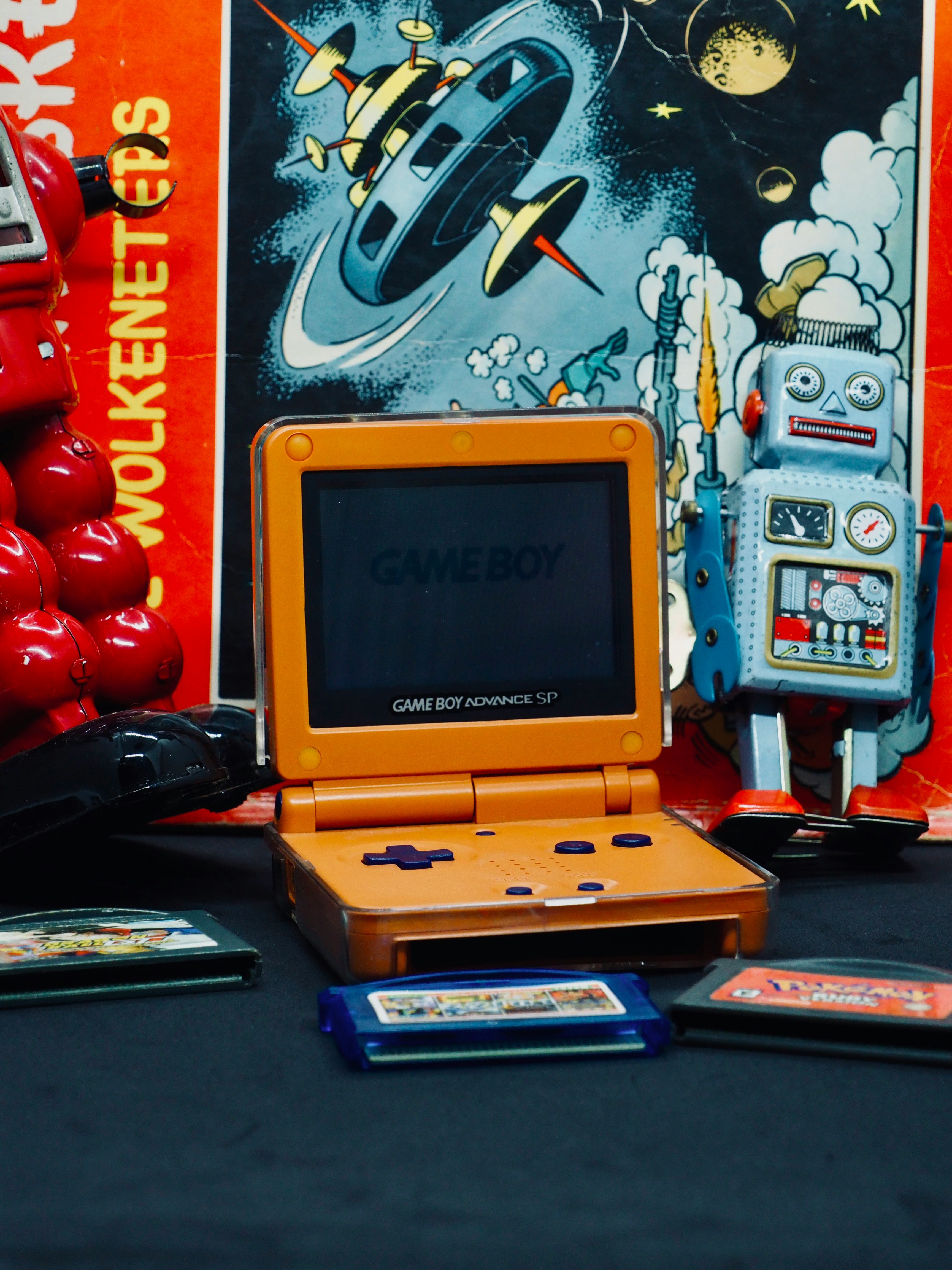
Walk into a store or scroll online and the past is everywhere. Barbie pink dominates retail. Adidas Sambas have returned to city streets. Streaming platforms keep remaking old stories. Even luxury brands are reviving retro logos. Nostalgia is no accident. It is now a deliberate strategy.
At its core, nostalgia speaks to belonging. It pulls people back to times that felt safer and simpler. In a world of uncertainty and information overload, looking back offers comfort. Brands that tie themselves to these memories often move from being products to becoming part of identity.
Why Nostalgia Works
Psychologists describe nostalgia as an emotional anchor. Research shows it increases willingness to spend and strengthens loyalty. The 2023 Barbie movie proved the point, grossing more than a billion dollars while fueling a flood of Barbie-themed products.
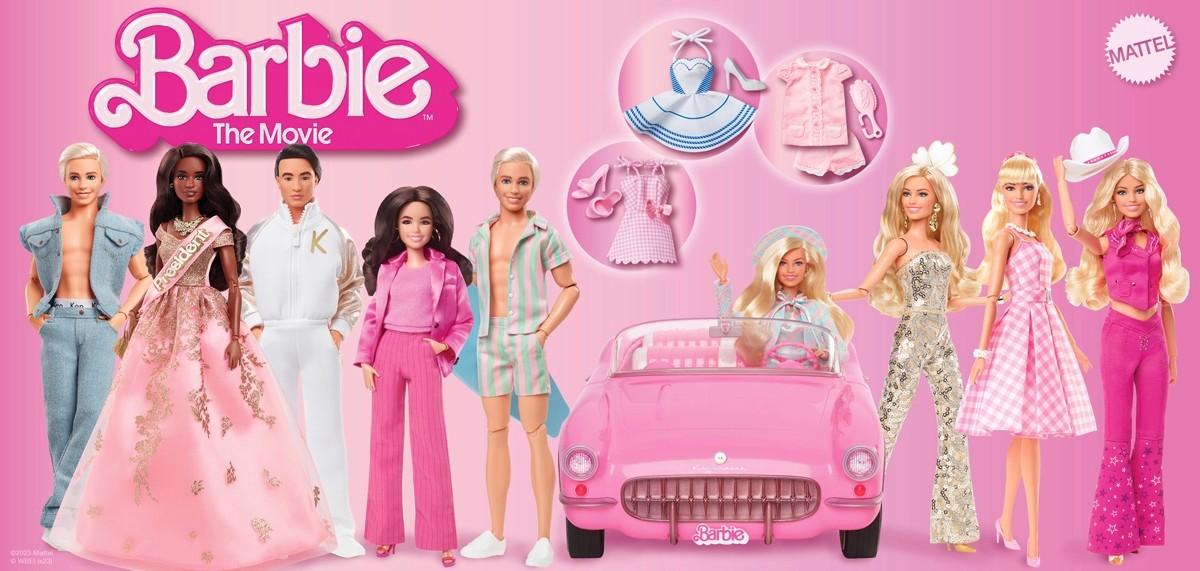
Barbie promotional still, © Mattel Inc.
Adidas relied on the same playbook with the Samba, reviving a classic silhouette that bridged heritage and modern streetwear.
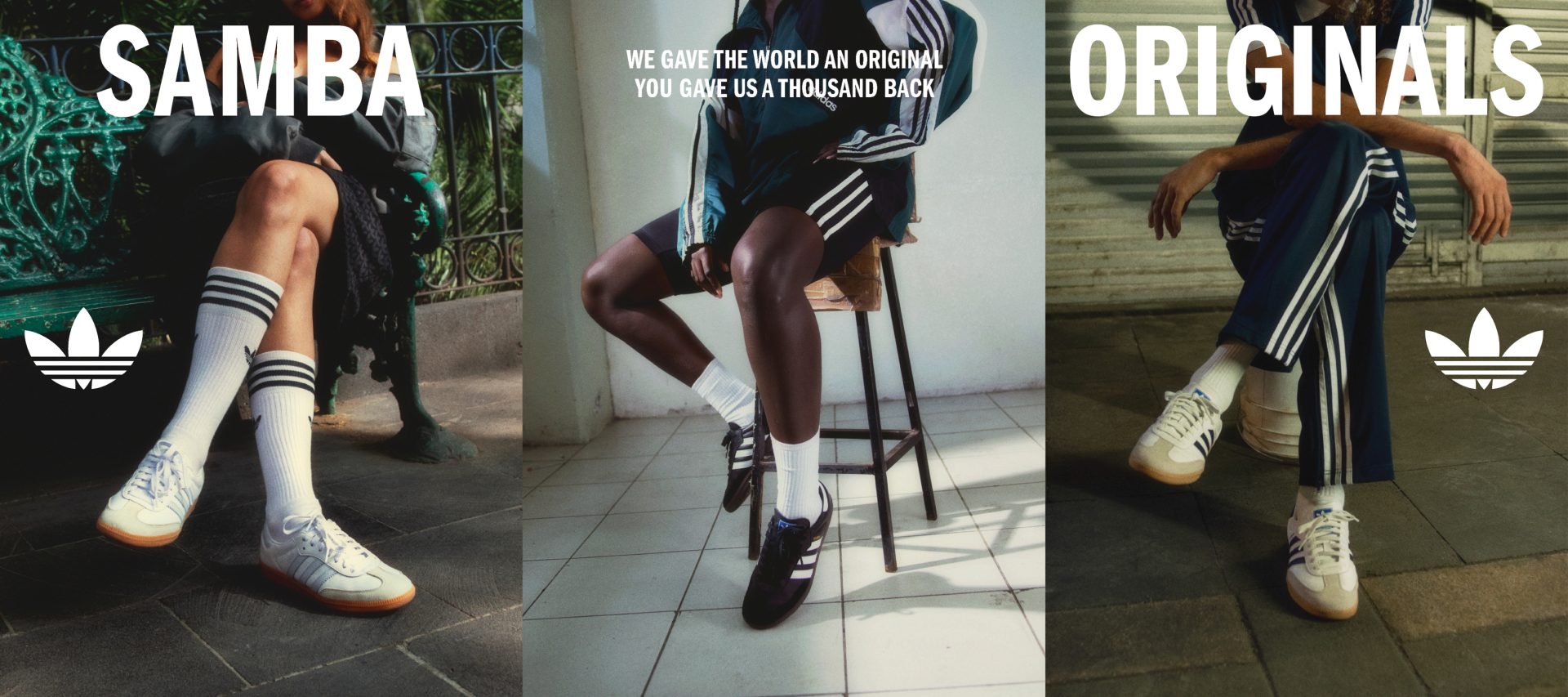
What is striking today is the scale. McDonald’s brought back retro Happy Meal boxes. Netflix relies heavily on reboots. Samsung’s Galaxy Z Flip echoes early flip phones. In an age of economic and cultural instability, nostalgia gives consumers a sense of stability.
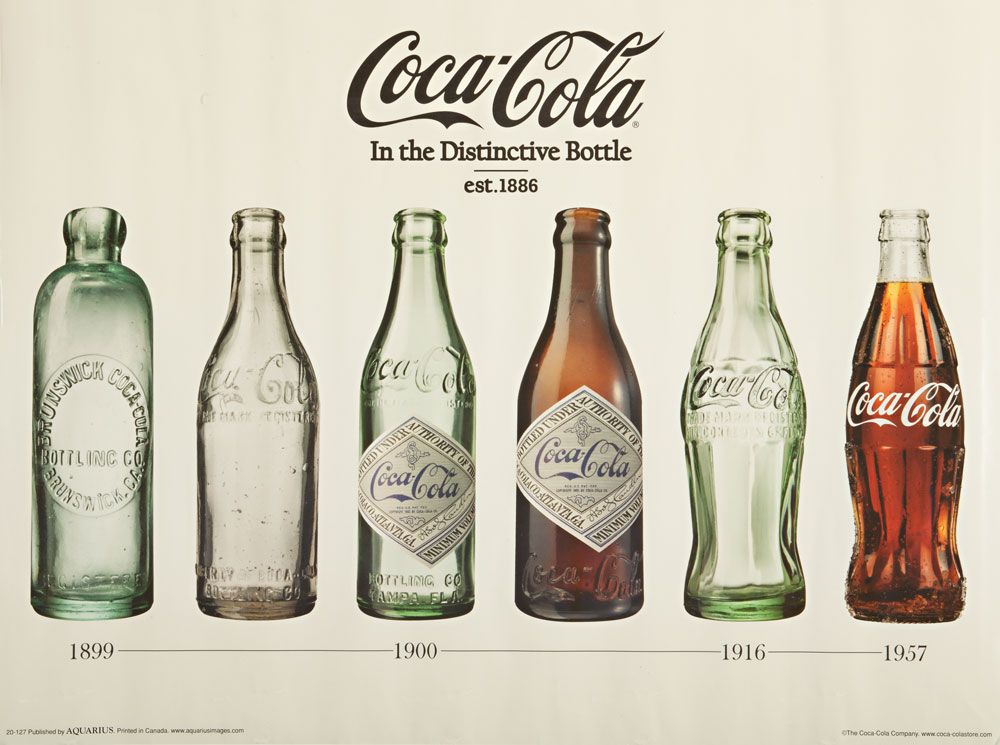
Used well, nostalgia becomes brand equity. Coca-Cola’s glass bottle and Nike’s Air Jordans are not just products but cultural symbols. They carry memories that rivals cannot replicate. That emotional weight makes brands more resilient.
The End
There are risks. Overuse can make a brand feel stagnant. Nostalgia glosses over negatives that audiences may later question. And short-term spikes in attention often fade without innovation to follow.
The lesson is balance. Nostalgia can deepen meaning, but it cannot be the only strategy. The brands that succeed will connect past and present without losing momentum. In a noisy market, memory remains one of the most powerful tools to shape the future.